
As students across Palm Beach and Broward Counties head back to school, Fuller Center is looking back on a summer that provided more than 300 school-age children and teens with a safe place to learn, grow and explore — while giving working parents the dependable care they need when school is out.
For nine weeks, Fuller Center’s East and West Campuses welcomed 305 students ages 5 to 17 for full-day summer programming. At the same time, the Center’s year-round Early Learning Program continued serving more than 200 children from just six weeks through 4 years old, meaning more than 500 children were learning and receiving care at Fuller Center throughout the summer.
For families, that continuity matters. Summer can create a significant childcare challenge for working parents, particularly for families who need affordable, reliable full-day care. Fuller Center’s programs provide a safe and nurturing environment while also using the summer months as an opportunity to strengthen academic skills, encourage healthy development and expose children to new experiences.
“Summer programming is a vital extension of the support we provide to children and families throughout the year,” said Eric Roby, Fuller Center CEO. “Parents need to be able to go to work knowing their children are safe and cared for, but we also want those weeks to be meaningful for every child. Summer gives us an opportunity to make learning fun, introduce students to new experiences and help them return to school confident, connected and ready to learn.”
Keeping Minds Active During the Summer
Preventing summer learning loss — often called the “summer slide” — was an important part of the program. Rather than recreating a traditional school day, Fuller Center incorporated academics into activities designed to make learning engaging and fun.
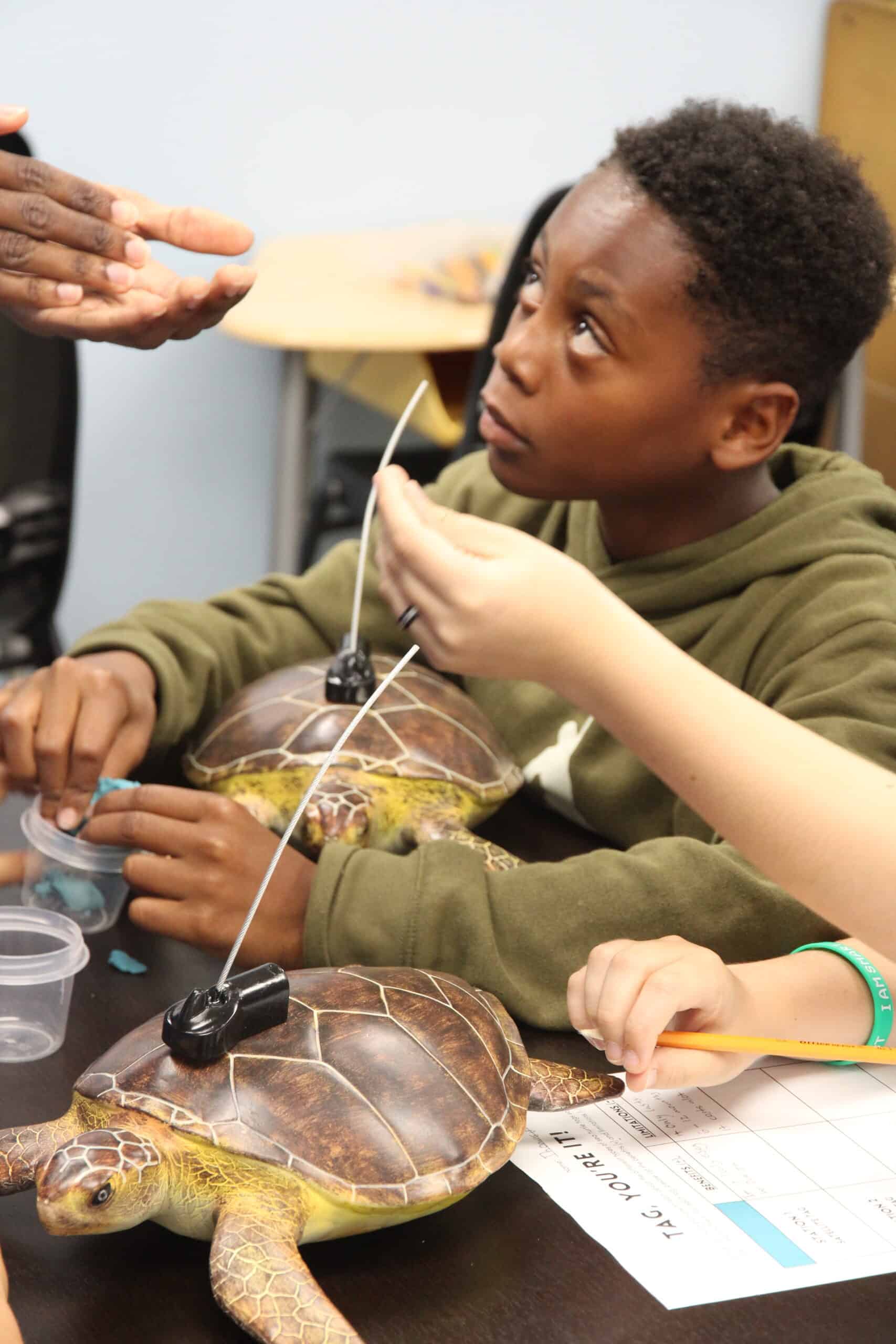
A particular emphasis was placed on STEAM — science, technology, engineering, arts and mathematics. Hands-on projects, creative clubs and other enrichment activities encouraged students to experiment, solve problems, collaborate and use their imaginations while continuing to practice important academic skills.
Learning also extended well beyond the classroom. Campers participated in more than 40 field trips and special activities throughout the summer, providing opportunities to experience new places, discover new interests and build friendships.
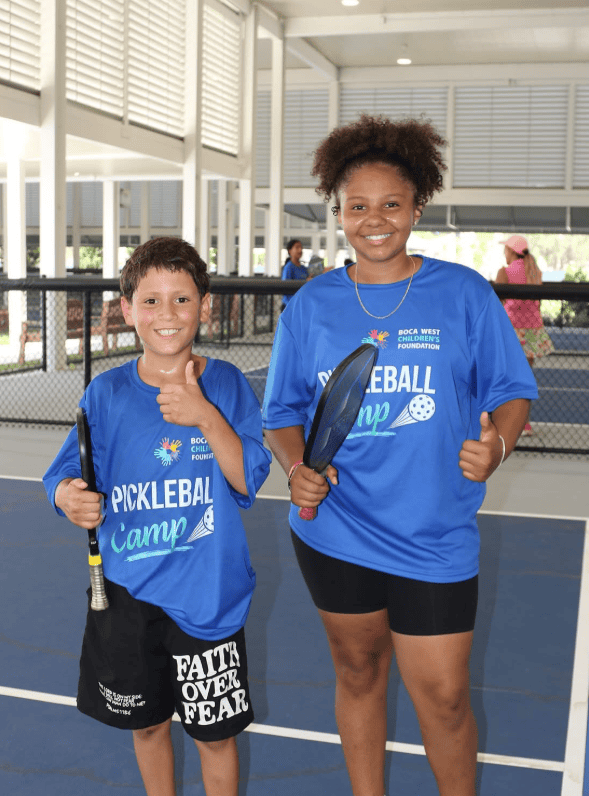
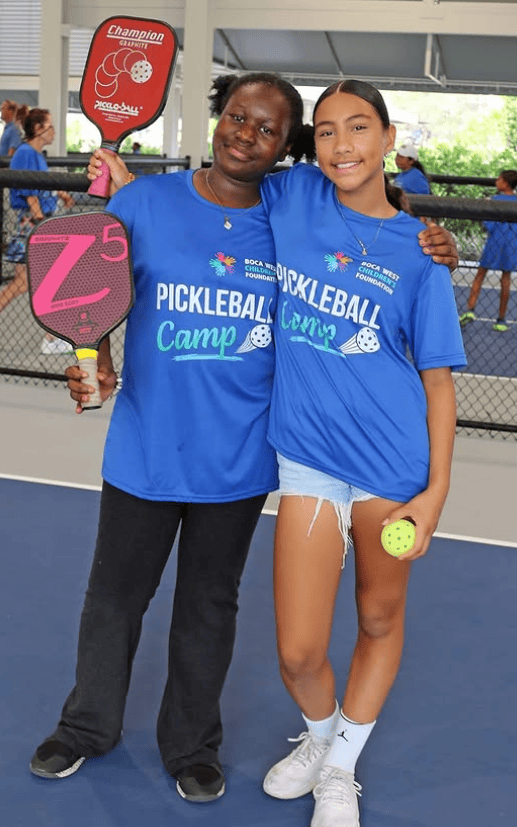
One of those experiences was Pickleball Camp, sponsored by Boca West Children’s Foundation and held at Boca West Country Club. Campers from both campuses spent a week learning alongside pickleball professionals and received equipment to continue playing after camp.
Water safety was another priority. Through a partnership with the YMCA, more than 50 students learned basic swimming and drowning-prevention skills — particularly important life skills for children growing up in South Florida.
More Than 40,000 Healthy Meals
The end of the school year can also mean the loss of dependable school meals for children. Fuller Center helped close that gap by providing more than 40,000 healthy meals during summer camp.
Providing consistent access to nutritious food is part of the Center’s whole-child approach. Children cannot fully participate in learning and enrichment when their basic needs are not being met, making food security an essential component of the summer program.
That same philosophy extends to the entire family. Fuller Center families have access to wraparound services that can connect them with resources and assistance when challenges arise. Mental health services and additional therapies are also available for children who need extra behavioral, emotional or developmental support.
The goal is to address barriers that can affect a child’s success while helping families build greater stability for the long term.
A New Investment in Teenagers
One of the most significant additions this summer was a concentrated focus on teens.
The summer teen program reached its maximum enrollment of 40 students and was designed to help young people prepare not only for the next school year, but also for high school, college, careers and adulthood.
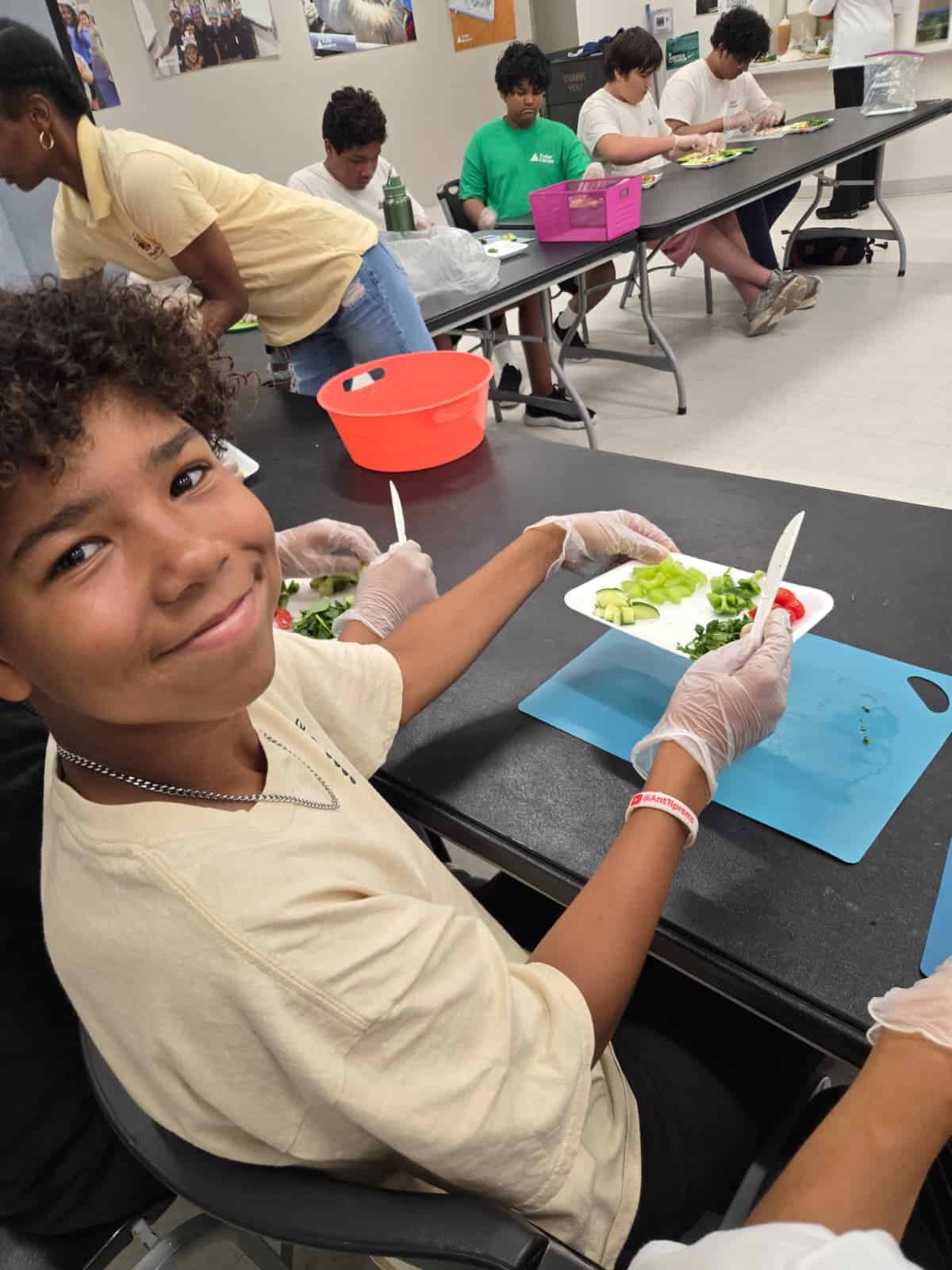
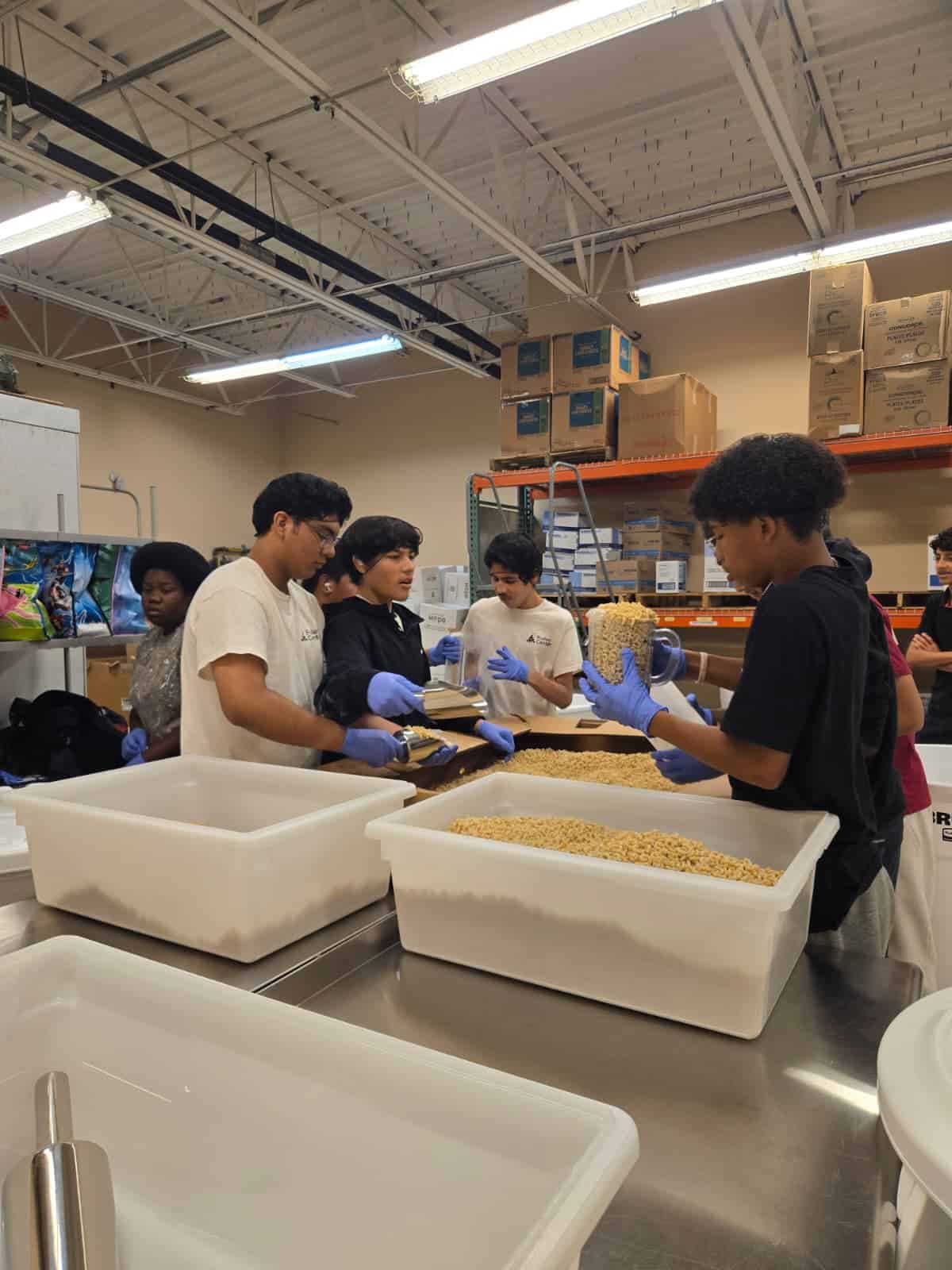
Participants developed practical skills through workshops on cooking healthy meals, basic car maintenance, self-esteem, self-care, spoken word and songwriting, volunteering and civic engagement. Teens also participated in community service projects, including packing food kits for people in need.
Future planning was equally important. A college tour of Florida Memorial University gave participants firsthand exposure to a college campus, while the NFTE Small Business Pitch Competition introduced students to entrepreneurship and challenged them to develop and present their own ideas.
The summer program also provided a foundation for the next phase of Fuller Center’s work with older youth. Building on this summer’s experience, the Center is expanding its Teen Leadership Program and expects to reach approximately 100 additional teens, providing ongoing mentorship, academic support, leadership development, employability skills and college and career preparation.
The expansion is intended to provide young people with consistent support during the critical years when they begin making decisions that can shape their futures.
Learning Starts Long Before Kindergarten
While school-age students participated in summer camp, learning never stopped for Fuller Center’s youngest children.
The Center’s year-round Early Learning Program served more than 200 children, ranging from infants just six weeks old through 4-year-olds preparing for kindergarten. The program combines nurturing care with age-appropriate learning and development during the years when children are building many of the foundational skills they will carry into school.
That continuity is particularly evident in Fuller Center’s Voluntary Pre-Kindergarten (VPK) program.
Unlike programs that operate only during traditional school hours or the school year, Fuller Center provides its VPK students with a full-day, year-round early learning experience, extending learning and support well beyond the minimum VPK instructional hours.
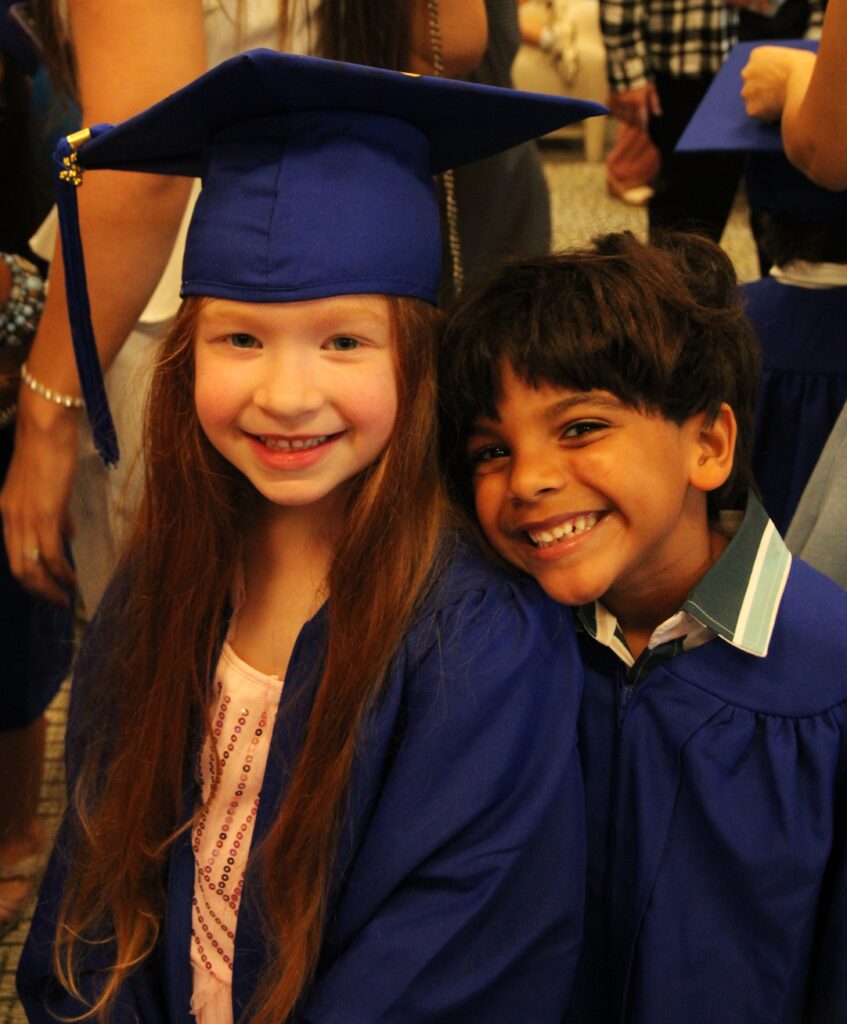
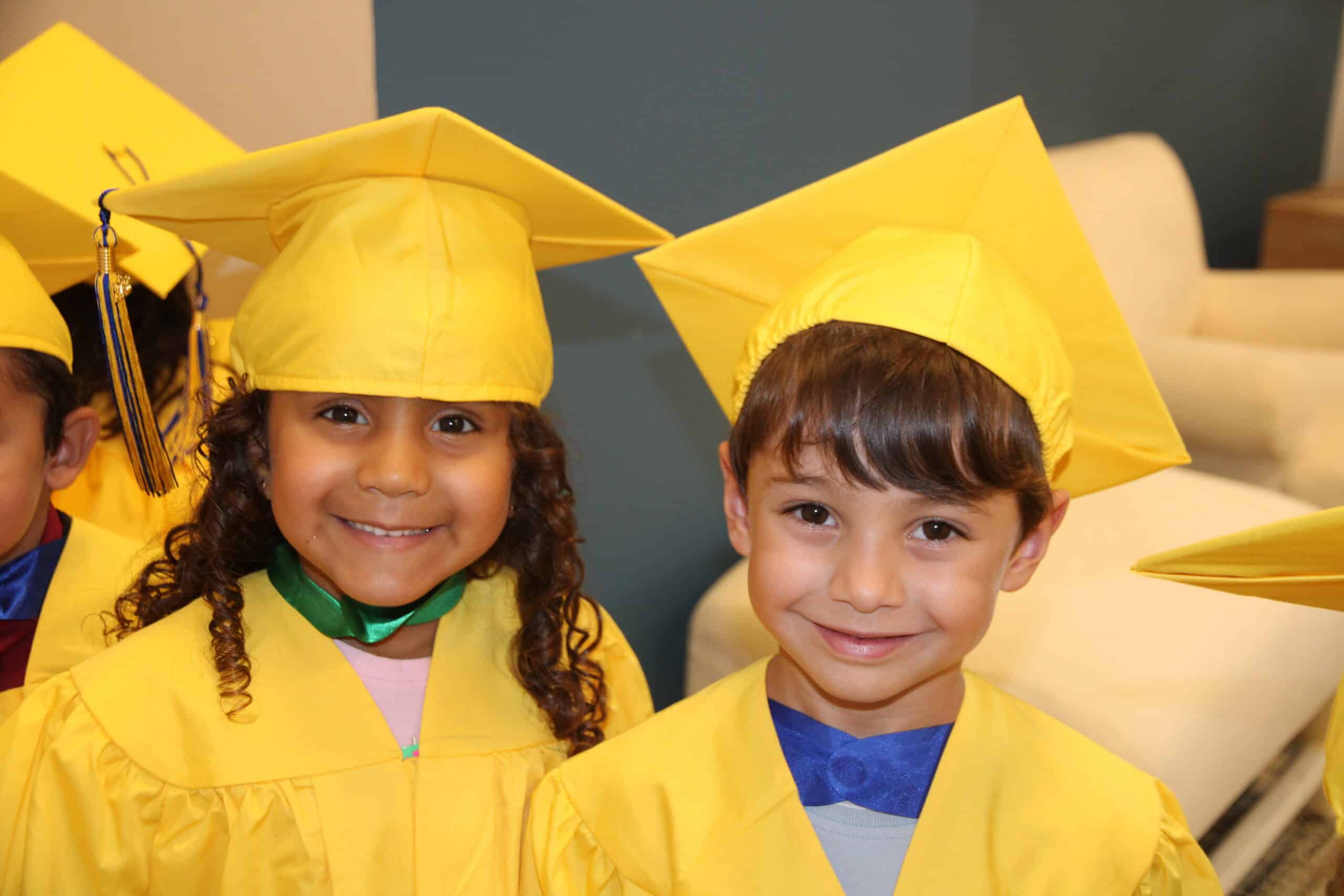
The results have been significant. In July, Fuller Center celebrated its latest class of VPK graduates, with 100% testing kindergarten ready — continuing the Center’s recent record of every VPK graduate demonstrating readiness for the transition to kindergarten.
The achievement reflects a broader goal that connects Fuller Center’s Early Learning and school-age programs: ensuring children have consistent opportunities to learn and develop throughout the year, rather than allowing progress to stall when the traditional school calendar ends.
Community Partnerships Expand What’s Possible
Many of the summer’s experiences were made possible through partnerships with organizations that brought additional expertise and resources directly to students.
Partners included Youth Environmental Alliance, Ruth & Norman Rales Jewish Family Services, Center for Child Counseling, YMCA, Brain Workout Academy, West Boca Library, Boca Raton Public Library, Boca West Children’s Foundation, Network for Teaching Entrepreneurship (NFTE), Hanley Foundation, Boca Raton Historical Society, Kingdom Charitable Trust, Impact100 and Eat Better Live Better.
“This summer was unlike any other as we actively engaged more than 300 students, ages 5 to 17, for nine weeks of summer camp,” said Jessica Moore, Director of Out-of-School Time Programs. “With more than 40 field trips and activities and the support of our community partners, students had the chance to make friends, explore new interests and create memories while continuing to learn and grow.”
As a new school year begins, the impact of the summer can be found in both the practical and the personal: parents who were able to continue working, children who had healthy meals each day, campers who strengthened academic skills, young people who learned to swim, teens who stepped onto a college campus for the first time, and preschoolers who entered kindergarten ready to succeed.
Together, Fuller Center’s summer camp and year-round Early Learning programs provided more than 500 children with something families need in every season — a safe place to learn, consistent support and opportunities that help prepare them for what comes next.